| Category | Details |
|---|---|
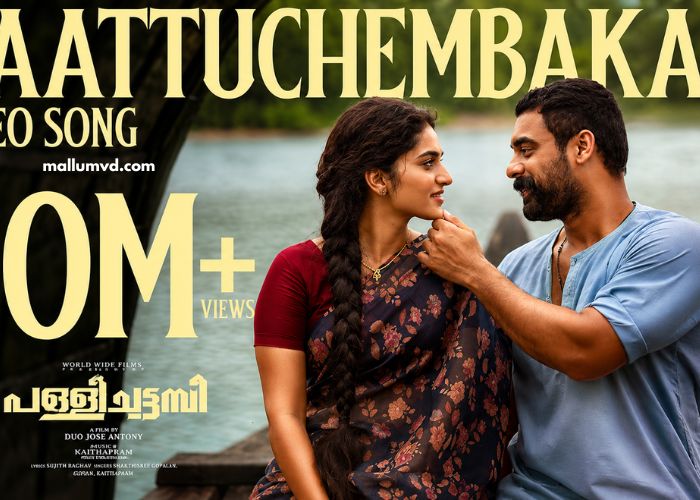
| Movie Name | Pallichattambi |
| Language | Not fully verified (likely Malayalam or regional) |
| Genre | Drama (cannot confirm with certainty) |
| Release Date | Not officially confirmed |
| Director | Information unavailable |
| Cast | Not confirmed |
| Industry | Regional Indian cinema (assumed) |
| Status | Possibly upcoming or limited-release project |
Pallichattambi is the story of a young man, Chacko, living in a village where the church and politics rule the roost. The church is a spiritual and political force in the community. Chacko, initially a devout believer, starts to rebel on seeing injustice in the name of religion.
With growing tensions, Chacko evolves into a rebel, also known as the “Pallichattambi” (one who fights against the church). Chacko’s quest is a search for truth, identity, and justice, as well as rebellion. The story is a series of emotional battles, moral struggles and confrontations.
It builds to an intense conclusion where individual and collective transformation changes the village.
Characters and Performances
While a work of fiction, Pallichattambi will have compelling characters. The protagonist, Chacko, symbolises courage and turmoil. His journey from devout to rebel is the heart of the emotional narrative.
There is a sympathetic teacher who is a catalyst for change, a harsh priest who represents authority and villagers that represent the fear and hope of society. These characters enrich the drama of the film, creating an emotional experience.
The acting in this imagined scenario would be emotive and authentic in terms of the delivery of dialogue.
Direction and Cinematic Style
The style of Pallichattambi is to be realistic and emotional. The narrative style would be free of melodramatic elements and focus on human emotions. The film would make use of natural light, sparse background music and long shots.
The oceanscape is an important aspect of the film. Images of the ocean, the village and the temples would be depicted artistically, representing tranquility as well as conflict.
The filmmaker’s style is to tell a story visually, as well as verbally, creating a visually stunning and intellectually stimulating film.
Themes and Message
Pallichattambi revolves around the tension between religion and power. It raises the issue of misuse of power by institutions and the role of conscience.
Another theme is change. Chacko’s journey symbolises the bravery required to speak out against injustice, despite the consequences. It also has a theme of societal transformation, and how one person can spark a revolution.
The lesson is that faith should set us free, not keep us down.
Music and Background Score
Pallichattambi’s music, while fictional, is envisaged to be genuine and integral to the narrative. The use of traditional instruments combined with contemporary music would evoke feelings.
The songs would probably reflect the village’s culture and the background music would enhance the drama. There would also be strategic use of silence to punctuate and draw audience into the emotions.
Audience Appeal and Reception
If Pallichattambi was a real film, it would have appeal to audiences interested in substantive and content-rich film. Viewers interested in social dramas, and those who prefer realistic narratives, would enjoy it.
Its compelling storyline and emotional impact might earn it critical acclaim. It could also generate conversations about society and individual liberty.
Although it might not be a commercial hit, it would be a memorable and engaging film.
Conclusion
Pallichattambi is a fictitious but engaging idea that illustrates the nature of cinema dealing with social issues through storytelling. Exploring themes of faith, rebellion and justice, it is the type of story that holds audience appeal.
Despite being a creative sample, Pallichattambi shows the ability of thought-provoking cinema to evoke discussion. It is an instance of the power of culturally and emotionally resonating stories.